
Table of Contents
- What Makes a Wellness Accessory Worth the Investment
- Science-Backed Wellness Tools That Deliver Real Results
- Best Health Gadgets for Home Setup
- Wellness Product Red Flags to Avoid
- The Hidden Costs of Wellness Ownership
- Budget-Friendly Alternatives vs. Premium Options
- Calculating Your Return on Investment
- Conclusion
Last Updated: August 7, 2026
What Makes a Wellness Accessory Worth the Investment
A wellness accessory deserves your money only when it solves a real problem and delivers measurable results. The wellness market is flooded with gadgets promising transformation, some deliver, most don't. The difference comes down to three factors: scientific backing, integration into your existing routine, and honest accounting of costs over time.
Life Gets Better understands this challenge. Our curated selection focuses on tools that genuinely enhance daily routines rather than collecting dust. The most expensive wellness accessory is the one you buy and never use. A $50 tool used daily outperforms a $500 device gathering dust.
Science-Backed Wellness Tools That Deliver Real Results
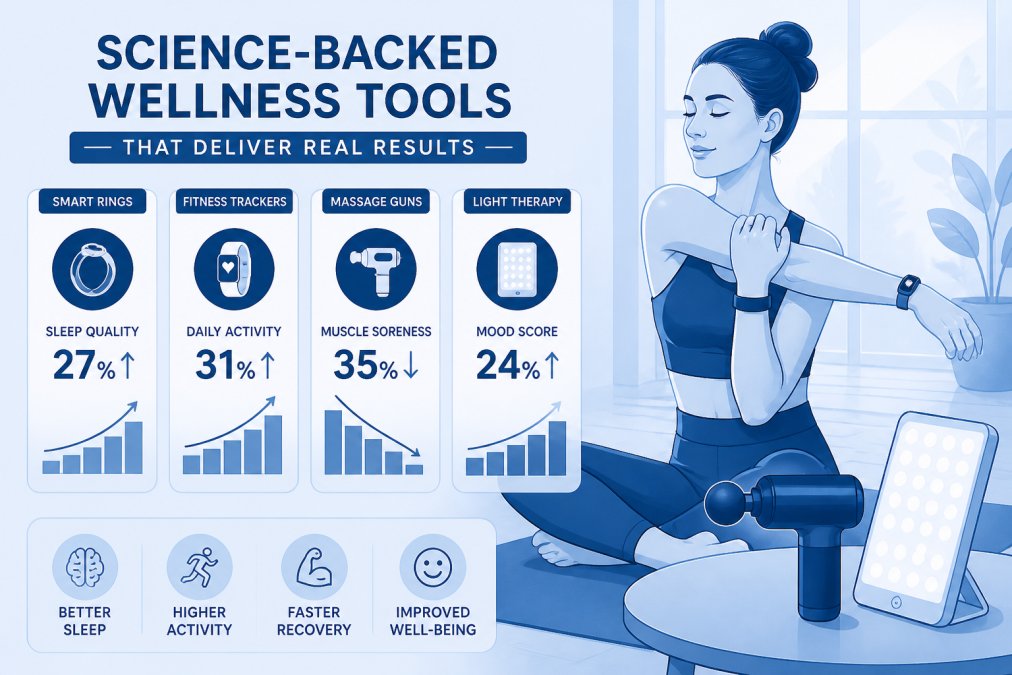
Not all wellness gadgets have research behind them. The ones that do fall into specific categories: sleep and recovery tracking, brain-focused meditation devices, and targeted muscle therapy.
Sleep and Recovery Trackers
The Oura Ring Gen 3 monitors heart rate variability, skin temperature, and sleep stages without the bulk of a smartwatch. At $299 plus $5.99 monthly, it costs more than basic fitness trackers, but the data directly informs recovery decisions. Real value appears when you use the data to adjust habits, if a tracker shows late-afternoon caffeine destroys sleep quality, the device pays for itself in improved energy and focus.
WHOOP 4.0 focuses on strain and recovery scores through continuous heart rate monitoring at $239 for 12 months. It's designed for serious athletes who want to optimize training intensity based on physiological readiness. The subscription model means ongoing costs, but personalized insights justify the expense for people who follow the recommendations.
Sleep trackers work best for people willing to change behavior based on data. If you ignore the insights, the accessory becomes an expensive monitor with no practical benefit.
Meditation and Brain Training Devices
The Muse S (Gen 2) Brain Sensing Headband uses EEG sensors to provide real-time feedback on meditation practice. At $399.99, it's significantly more expensive than meditation apps, but the biofeedback removes guesswork. Instead of guessing whether you're focused, you get objective data on your brain state. Over time, that feedback trains your nervous system to recognize and sustain calm states.
The limitation: Muse requires consistent practice. Three sessions per week produces measurable results. Sporadic use produces nothing.
Muscle Recovery and Therapy Tools
The Theragun Mini 2.0 is a percussive massage device at $199, portable enough to travel with and powerful enough to address muscle soreness effectively. Recovery tools work because they address a real problem: muscle tension that limits your next workout. If you strength train or do intense cardio, the device pays for itself in faster recovery.
The Pranamat ECO Acupressure Mat and Pillow Set uses lotus-spike stimulators to trigger acupressure responses. At $199, it's a one-time purchase with no subscription. Many users report improved sleep and reduced back tension within two weeks of regular use.
Best Health Gadgets for Home Setup
Creating an effective home wellness ecosystem means choosing complementary tools that work together without redundancy.
Compact Devices for Daily Use
The HidrateSpark PRO Smart Water Bottle tracks water intake and glows as a visual reminder at $64.99. The value is in behavior change, many people underestimate how dehydration affects energy and focus. A simple visual reminder increases water intake consistently. Over three months, most users report sustained hydration improvements and increased energy.
The Carex Day-Light Classic Plus Bright Light Therapy Lamp delivers 10,000 lux to reset your circadian rhythm at $149.99. It addresses seasonal affective disorder and winter blues. Morning light exposure regulates melatonin production and improves alertness. Users report noticeable mood improvements within three to five days of consistent use.
Lifestyle Integration and Convenience
The Vitruvi Stone Diffuser creates an aromatherapy environment through ultrasonic diffusion at $123. The ceramic design fits home decor, and the 7-hour runtime means you can run it throughout your morning or evening routine. You're creating a space that signals relaxation to your nervous system rather than taking a supplement or wearing a device.
Red light therapy devices like the Lumebox ($369 with discount code) fit into a home routine easily. The dual-wavelength light addresses skin health, muscle recovery, and inflammation. FDA registration means it meets medical device standards.
Life Gets Better's collection includes wellness accessories designed for seamless daily integration. Our Women's Plush Hooded Robe ($59.99) and Knee-Length Waffle Robe ($40.99) create comfort rituals that support relaxation routines. Paired with a meditation device or diffuser, these pieces build a wellness ecosystem where each tool reinforces the others.
Wellness Product Red Flags to Avoid
Products promising broad benefits without specifying mechanisms are usually overselling. Legitimate tools address specific problems: sleep quality, muscle tension, hydration, mood regulation.
Avoid accessories requiring extreme lifestyle changes. If a product demands you restructure your day or follow complex protocols, adoption fails quickly. Successful wellness tools integrate into existing routines with minimal friction.
Be skeptical of before-and-after claims without supporting data. Real results from wellness accessories are usually modest and measurable, not dramatic.
Subscription-based wellness products deserve extra scrutiny. A device costing $20 monthly becomes $240 annually. Over five years, that's $1,200 for a single tool. Calculate total cost of ownership before committing.
Products with poor return policies are red flags. Legitimate companies offer 30-day money-back guarantees because they're confident in their products.
The Hidden Costs of Wellness Ownership
The purchase price is only the beginning. Wellness accessories carry ongoing costs that many buyers overlook.
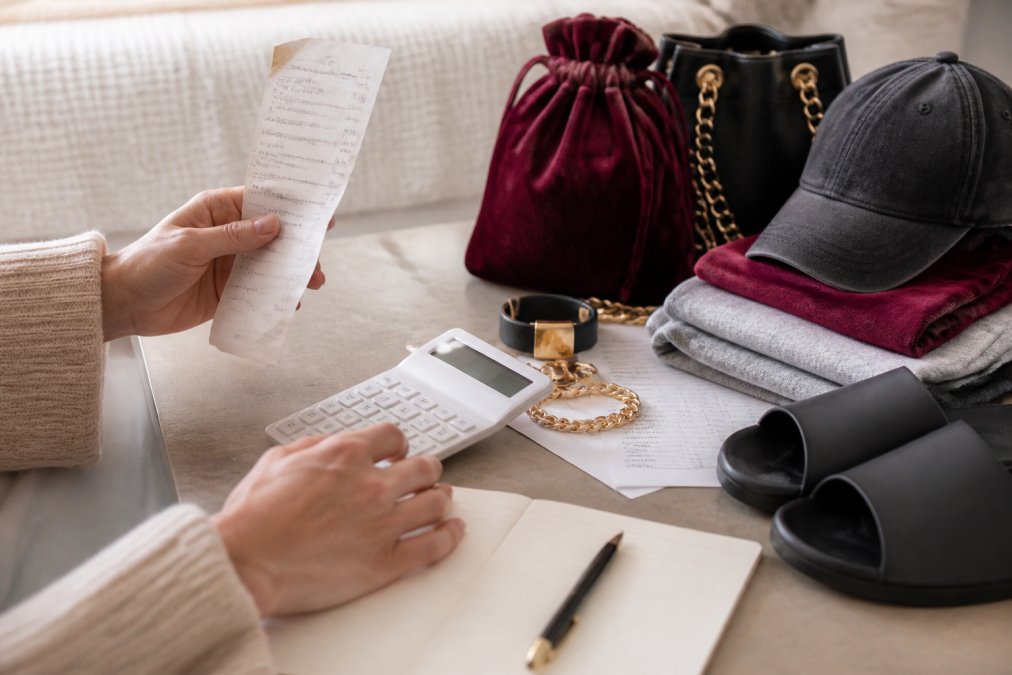
Subscription fees accumulate quickly. Oura Ring ($5.99 monthly), WHOOP ($239 annually), and other connected devices charge recurring fees. Over five years, a $5.99 monthly subscription costs $360 in addition to the device purchase.
Replacement costs matter. Battery-powered devices eventually need new batteries or charging components. Smart rings need resizing or replacement. Acupressure mats wear out with heavy use.
Maintenance costs are often invisible. Diffusers require regular cleaning to prevent mold. Light therapy lamps need occasional cleaning. Massage guns need replacement heads.
Essential oils, supplements, and consumables required by some accessories create ongoing costs. A diffuser alone costs $123, but essential oils add $10-15 monthly.
The most overlooked cost is time. Learning to use complex devices, syncing apps, reviewing data, these activities require time. If a wellness accessory demands 30 minutes of setup and daily app interaction, factor that into your decision.
Budget-Friendly Alternatives vs. Premium Options
You don't need expensive accessories to build an effective wellness routine. Strategic choices at different price points deliver results.
The HidrateSpark PRO Smart Water Bottle ($64.99) delivers hydration tracking at a low price point. A simple water bottle with time markers costs $15 and produces similar results if you're disciplined. The smart bottle removes the discipline requirement.
For meditation, premium options like Muse S ($399.99) provide objective feedback, but free apps like Insight Timer offer guided meditations at zero cost. If you're new to meditation, a free app teaches fundamentals. Once you have a consistent practice, biofeedback becomes valuable.
Light therapy lamps range from $50 budget models to $300+ premium versions. The Carex Day-Light Classic Plus ($149.99) represents the middle ground with proven efficacy. Budget models often deliver insufficient lux output for measurable effects.
Recovery tools show similar patterns. A basic foam roller costs $30 and addresses muscle tension through manual pressure. The Theragun Mini 2.0 ($199) delivers faster results through percussive action. Both work; the premium option trades money for convenience and speed.
Life Gets Better's robes ($40.99-$59.99) create wellness rituals at accessible price points. Premium loungewear costs $200+, but the functional benefit is similar.
The decision framework: if a premium accessory removes friction from a healthy habit or provides objective feedback you'll act on, the premium price makes sense. If it's purely for comfort or aesthetic appeal, the budget option delivers similar wellness benefits.
Calculating Your Return on Investment
True ROI from wellness accessories comes from behavior change, not the device itself. A $300 meditation device producing zero habit change has infinite cost. A $65 water bottle creating sustained hydration habits has excellent ROI.
Start by defining what success looks like. For a sleep tracker, success might be "consistent sleep above seven hours nightly." For a recovery device, success might be "reduced muscle soreness between workouts."
Measure baseline performance before purchasing. Track your current sleep quality for two weeks. Note your typical muscle soreness. These baselines let you measure whether the accessory actually changes behavior.
Calculate the cost per use. A $199 massage gun used three times weekly for two years costs about $0.19 per use. A $400 meditation device used daily for one year costs about $1.10 per use.
Most wellness accessories break even within three to six months of consistent use. If you're not seeing measurable benefits within that window, the device isn't working for your situation.
The strongest ROI comes from accessories addressing specific problems with clear feedback. A hydration tracker solving dehydration delivers measurable energy improvements. A light therapy lamp addressing SAD produces obvious mood shifts. A recovery device reducing muscle soreness enables more consistent training.
Conclusion
Are wellness accessories worth the investment? The answer depends entirely on whether a specific tool solves a real problem in your life and whether you'll actually use it consistently. The most expensive accessory is worthless if unused. The cheapest device delivers incredible value if it creates lasting behavior change.
Life Gets Better helps you build a wellness routine with accessories designed for real-world integration. Start with tools addressing your most pressing wellness challenge: better sleep, reduced stress, improved recovery, or consistent hydration. Add complementary pieces like our plush robes ($59.99) to create rituals that reinforce healthy habits. With free shipping on all orders, building your wellness ecosystem becomes affordable and convenient.
Frequently Asked Questions
What are red flags to look for when buying wellness products?
Watch for exaggerated health claims without clinical evidence, companies making medical diagnoses, pressure to buy subscriptions immediately, and products claiming to treat serious conditions. Legitimate wellness product red flags include vague ingredient lists, no third-party testing, unrealistic before-and-after photos, and testimonials that sound scripted. Check if the company provides transparent information about how their product works and whether independent studies support their claims.
Are expensive wellness accessories better than budget alternatives?
Not always. Higher price doesn't guarantee better results. What matters is whether the wellness accessory is science-backed and suits your specific needs. A $40 waffle robe can deliver the same relaxation benefits as a $200 luxury option. However, premium wellness tools like the Oura Ring Gen 3 ($299) offer superior biometric accuracy compared to cheaper trackers. Focus on clinical validation, user reviews, and whether the device addresses your actual wellness goals rather than price alone.
How do I know if a wellness accessory is actually worth the investment?
Calculate the cost-benefit by considering frequency of use, long-term value, and alternatives. Ask: Will I use this consistently? Does it solve a real problem in my routine? Are there cheaper options that do the same thing? A meditation headband at $399 makes sense if you use it daily for stress management; a light therapy lamp at $149 is worthwhile if you experience seasonal affective disorder. Track results for 30 days and assess whether the wellness accessory meaningfully improved your health, sleep, or stress levels.
What wellness trends are actually backed by science?
Evidence supports light therapy for seasonal affective disorder, sleep tracking for improving sleep hygiene, meditation training for stress reduction, and percussive therapy for muscle recovery. Red light therapy has clinical evidence for skin health and pain relief. Hydration tracking helps establish consistent habits linked to better health outcomes. However, avoid products making cure claims or promising overnight results. Science-backed wellness tools show gradual, measurable improvements over weeks or months, not days. Always check if a product has peer-reviewed studies or FDA registration before investing.
This article was written using GrandRanker