
Table of Contents
- Why Look Beyond Nordstrom for Everyday Jewelry
- How to Choose Jewelry for Daily Wear
- Top Affordable Gold Jewelry Brands for Everyday Wear
- Demi-Fine Jewelry: The Sweet Spot Between Fashion and Fine
- Sustainability and Ethical Sourcing in Everyday Jewelry
- Jewelry Care and Maintenance for Long-Lasting Wear
- Stackable Rings and Layering Necklaces for Versatility
- Conclusion
Last Updated: August 10, 2026
Why Look Beyond Nordstrom for Everyday Jewelry
Shopping for jewelry that works with your actual life requires understanding what materials hold up, which brands prioritize wearability, and where to find pieces that won't tarnish after two weeks of regular use. Nordstrom, while reliable, doesn't always stock the specific combination of durability, affordability, and design that everyday wear demands.
Life Gets Better has curated a collection addressing this gap. When building an everyday jewelry wardrobe, you need pieces that survive daily contact, resist tarnish, and work with sensitive skin, across different price points. The best alternatives share three core attributes: materials that resist tarnishing and wear, designs for layering and versatility rather than statement-making, and pricing that lets you own multiple options.
How to Choose Jewelry for Daily Wear
Selecting jewelry that survives everyday wear requires understanding materials, your body's chemistry, and actual cost of ownership over time.
Material Durability and Tarnish Resistance
Sterling silver (92.5% pure silver mixed with other metals) resists tarnishing better than pure silver, but still requires regular cleaning. The real everyday workhorses are sterling silver pieces rhodium-plated, a thin layer of rhodium (a platinum-family metal) prevents tarnish and extends life significantly.
Gold-filled jewelry offers a middle ground. Unlike gold-plated pieces, which wear away quickly, gold-filled has a substantial layer of gold bonded to base metal, lasting 5-10 years of regular wear while costing a fraction of solid gold.
For truly permanent everyday wear, solid gold (14k or 18k) is the investment. 14k gold is harder and more durable than 18k, making it better for rings and pieces taking daily contact. Solid gold doesn't tarnish and lasts indefinitely.
Vermeil, gold-plated sterling silver with a thicker gold layer than standard plating, sits between gold-filled and solid gold in durability, typically lasting 1-3 years of regular wear before plating thins.
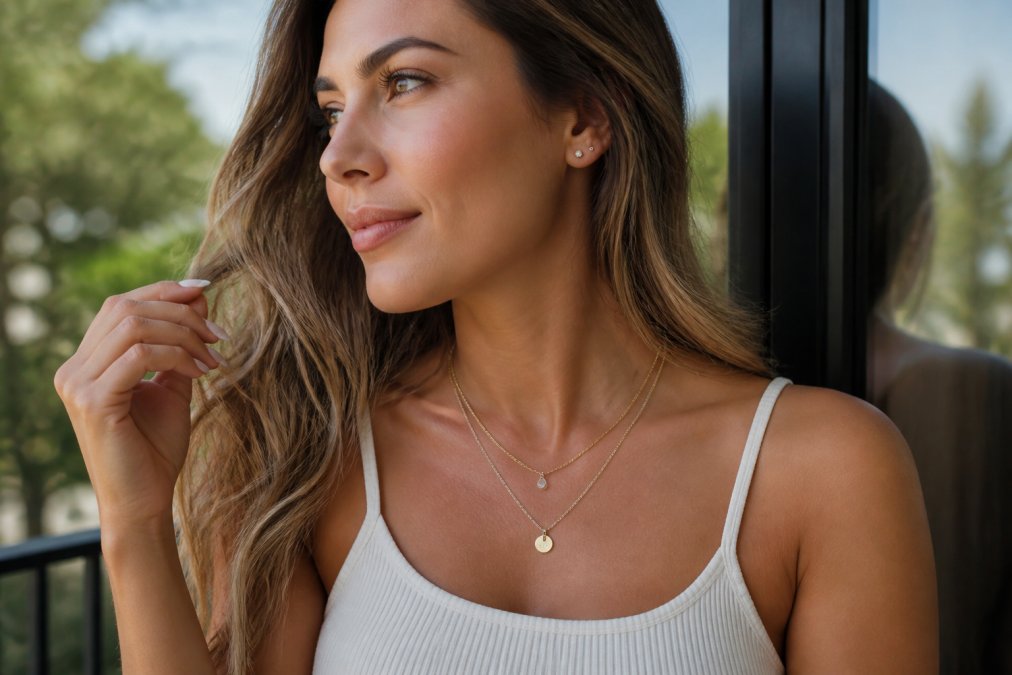
Metal Allergies and Skin Sensitivity
Nickel sensitivity, affecting roughly 10-15% of the population, is the most common metal allergy. Nickel appears in many base metals used in plated and fashion jewelry, requiring careful material specification review.
Sterling silver is naturally nickel-free, making it the safest choice for sensitive skin. Solid gold (14k and above) is also safe. Vermeil over sterling silver works as long as the base is pure sterling silver.
Avoid anything labeled "gold-plated" or "gold-tone" without material specification, as these often contain nickel. Some surgical-grade stainless steel (316L) is formulated to be nickel-free.
If you have a known nickel allergy, prioritize sterling silver, solid gold, or explicitly nickel-free options. Test new pieces by wearing them for a few hours in an inconspicuous area first.
Cost-Per-Wear Analysis
Cost-per-wear is the most practical way to evaluate whether a piece is affordable for everyday use. A $200 solid gold ring worn five days a week for five years costs about $0.15 per wear. A $30 gold-plated bracelet worn twice before tarnishing costs roughly $15 per wear.
Divide the price by realistic number of wears:
- Gold-plated pieces: 20-50 wears before visible wear
- Gold-filled pieces: 500-1,000 wears (roughly 2-5 years of regular wear)
- Vermeil pieces: 100-300 wears (roughly 6-18 months of regular wear)
- Solid gold: 5,000+ wears (10+ years of daily wear)
- Sterling silver with rhodium plating: 1,000-2,000 wears (3-5 years of regular wear)
A $60 gold-filled necklace worn three times per week for three years costs about $0.23 per wear. A $20 plated necklace worn once costs $20 per wear.
Top Affordable Gold Jewelry Brands for Everyday Wear
Life Gets Better: Accessible Luxury with Free Shipping
Life Gets Better delivers everyday jewelry prioritizing both quality and accessibility, with sterling silver pieces featuring cubic zirconia alongside gold-filled options. The Sterling Silver Hoop Earrings ($122) are bestsellers because they combine lightweight comfort with durability for daily wear.
The curation separates Life Gets Better from general retailers. The Sterling Silver 5mm CZ Stud Earrings ($40) and 8mm versions ($59) aren't trendy pieces but foundational everyday studs. The Brushed Gold Hoop Earrings ($32) deliver fine jewelry aesthetics at everyday-rotation pricing.
Free shipping removes friction when building an everyday jewelry wardrobe with multiple pieces. The Sterling Silver 2mm Thin CZ Band Ring ($100) and Sterling Silver 2.5mm Thin Pink CZ Band Ring ($94) are stackable, designed without the weight or bulk of thicker pieces.
Mejuri: Direct-to-Consumer Solid Gold and Vermeil
Mejuri's direct-to-consumer model allows them to offer 14k solid gold pieces starting around $150 to $400. Their vermeil options start around $50 to $150 for simple chains, studs, and rings.
The brand introduces new designs weekly while maintaining a minimalist aesthetic that avoids dated trends. Designs are stackable by nature; thin chains layer without clutter, and rings sit next to each other intentionally.
Their vermeil pieces will eventually show wear with daily contact, but 14k solid gold options are legitimately affordable compared to traditional fine jewelry retailers.
Gorjana: Layerable Designs in Plated and Solid Gold
Gorjana specializes in pieces designed for layering, with necklaces intentionally varied in length for wearing multiple chains together. They offer both 18k gold-plated and 14k solid gold options, starting at $38 for plated pieces and moving to $100+ for solid gold.
Personalization options, engraving, birthstones, initials, make pieces feel personal rather than generic. Water-resistant designs mean many pieces survive daily wear, including showers and gym sessions.
Gold-plated brass pieces will eventually tarnish with daily wear; invest in solid gold options for long-term everyday use.
Kendra Scott: Colorful Stones at Approachable Prices
Kendra Scott built its reputation on colorful gemstones, bright turquoise, rich emerald, warm rose gold. Their price range spans from $14.98 for some semiprecious stone pendant necklaces to fine jewelry with 14k gold and diamonds at $300+.
Entry-level pieces let you experiment with colorful stones without major investment. Their sourced stones appeal to people preferring natural gemstones over lab-created alternatives.
Fashion jewelry pieces won't survive years of daily wear, but their fine jewelry collection is genuinely durable.
Demi-Fine Jewelry: The Sweet Spot Between Fashion and Fine
Demi-fine jewelry uses genuine precious metals and stones at prices below fine jewelry, making it the practical choice for everyday wear.
Monica Vinader and AU-RATE: Ethical Sourcing and Durability
Monica Vinader uses 18k gold vermeil over sterling silver, thicker than standard plating and designed to last. Their pieces emphasize ethical sourcing with traceable, responsibly sourced gemstones. Starting around $100-150, Monica Vinader bridges fashion jewelry and fine jewelry.
AU-RATE uses 100% recycled gold and conflict-free diamonds, with solid gold pieces starting at $40. Their commitment to sustainability and transparency is verifiable.
Both brands offer stackable designs and lifetime warranties on solid gold pieces. Vermeil pieces will eventually show wear, but solid gold options are permanent.
Catbird and Stone and Strand: Handcrafted Fine Jewelry
Catbird, based in Brooklyn, handcrafts jewelry using 10k and 14k solid gold and recycled materials, with solid gold pieces starting around $228.00. Their "Forever Bracelet" service welds bracelets closed for permanent wear.
Stone and Strand offers similar positioning with dainty, stackable pieces in solid gold and sterling silver, with solid gold pieces starting at $40. Their 5-year warranty and 100-day return policy reduce online buying risk.
Both brands focus on pieces you layer, thin rings, delicate chains, small studs, building a cohesive everyday collection. Solid gold pieces cost more upfront but deliver dramatic cost-per-wear value over a decade.
Sustainability and Ethical Sourcing in Everyday Jewelry
Since you'll wear everyday pieces hundreds of times, choosing brands prioritizing ethical sourcing aligns daily choices with values.
Recycled gold reduces mining impact and is chemically identical to newly mined gold. Brands like AU-RATE and Catbird explicitly use recycled materials.
Lab-created diamonds and gemstones are chemically identical to mined stones but require significantly less environmental impact. Cubic zirconia, used in Life Gets Better pieces, sparkles brilliantly and makes practical sense for everyday rotation.
Conflict-free sourcing ensures gemstones don't fund conflict. Organizations like the Responsible Jewellery Council certify ethical sourcing. Verify certifications rather than relying on brand claims alone.
Transparency matters most. Brands openly discussing sourcing, materials, and manufacturing are more trustworthy than those making vague sustainability claims.
Jewelry Care and Maintenance for Long-Lasting Wear
Sterling silver tarnishes when exposed to sulfur compounds in air, skin, and sweat. Regular wear actually slows tarnishing because skin oils create a protective layer. Damage comes from storing silver in humid environments or in contact with rubber bands.
Clean sterling silver monthly with a soft cloth. For pieces with stones, use a soft brush and mild soap with warm water. Avoid harsh chemicals and ultrasonic cleaners.
Gold-filled and solid gold pieces require less maintenance. Rinse with warm water and mild soap after wearing, especially after sweating or salt water exposure. Dry thoroughly and store in individual pouches.
Vermeil pieces need extra care; use a soft cloth and avoid polishing cloths. When showing wear, jewelers can re-plate for $20-50.
Rhodium plating on sterling silver eventually wears away after 1-2 years of daily wear. Re-plating costs $15-30, a normal maintenance cost for constantly worn pieces.
Remove jewelry before swimming, showering, or exercising. Chlorine and saltwater accelerate tarnishing and weaken settings. Dry immediately if pieces get wet.
Stackable Rings and Layering Necklaces for Versatility
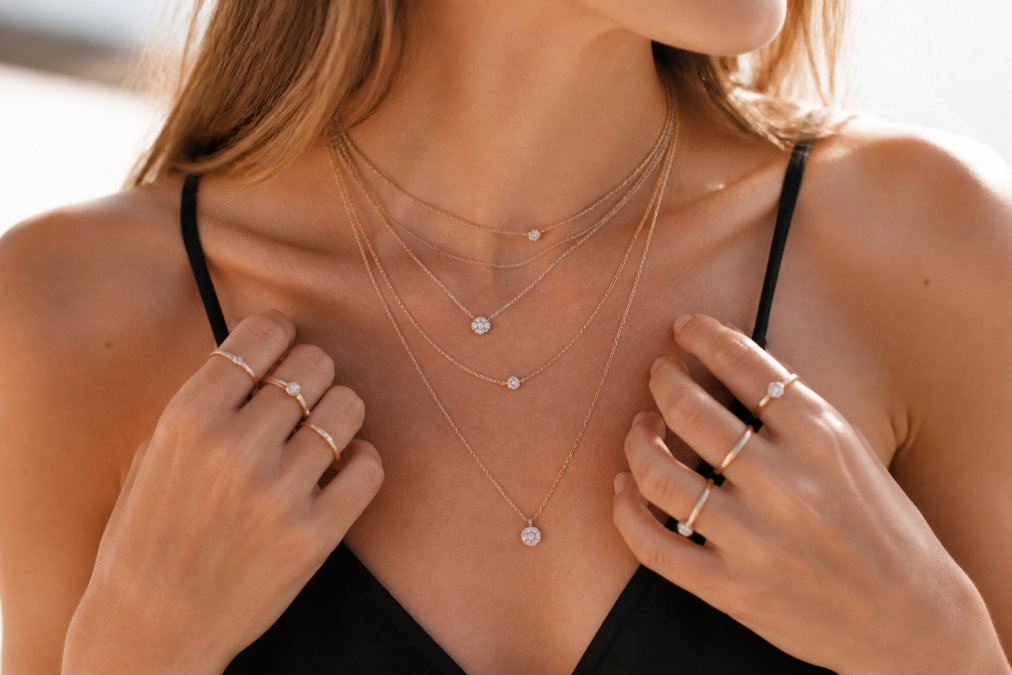
Stackable rings and layering necklaces let you create different looks from the same pieces. A thin gold ring worn alone reads differently than stacked with silver and rose gold rings. Layered necklaces create visual interest without requiring statement pieces.
Stackable rings work best when thin, typically 2-3mm wide. Life Gets Better's Sterling Silver 2mm Thin CZ Band Ring ($100) and 2.5mm Pink CZ version ($94) sit flush against other rings. Wear three or four thin rings on one hand without bulk. Mix metals freely; thin gold and silver rings look intentional together.
For necklaces, layering works when pieces vary in length. A 16-inch choker, 18-inch pendant, and 20-inch chain create visual depth when worn together. Each piece should be delicate enough that total weight stays comfortable for all-day wear.
Five thin rings and five delicate necklaces create dozens of outfit combinations. You're buying pieces that work together across different outfits and occasions.
Mixing metals, gold, silver, rose gold, copper, is now the default for everyday jewelry. Contemporary styling embraces mixed metals as intentional and modern, letting you buy pieces you love without worrying whether they match existing collections.
Building an everyday jewelry wardrobe doesn't require traditional department stores. The brands covered here offer better durability, more thoughtful design, and often better value for pieces you'll actually wear daily. Start with materials that resist tarnish and work with your skin, then add pieces that layer and stack. A piece worn 300 days a year for five years costs pennies per wear. That's the math that makes everyday jewelry worth doing right.
Frequently Asked Questions
What materials are best for everyday jewelry that won't tarnish or cause skin irritation?
Sterling silver, 14k gold, gold-filled, and 18k gold vermeil are excellent choices for everyday wear. Sterling silver is hypoallergenic and nickel-free, making it ideal for sensitive skin. Gold-filled jewelry resists tarnishing better than gold-plated options because it has a thicker gold layer. Solid gold (14k or higher) never tarnishes and is the most durable long-term investment. Avoid fashion jewelry with brass bases if you have metal sensitivities, as these are more likely to cause reactions.
How do I calculate cost-per-wear for affordable gold jewelry brands?
Divide the price by how many times you'll realistically wear the piece. A $100 sterling silver necklace worn 200 times yearly costs $0.50 per wear. A $500 solid gold piece worn daily for 10 years costs $0.14 per wear. Life Gets Better's sterling silver pieces at $40-$122 become extremely affordable when worn regularly. This analysis helps justify investing in durable materials over cheaper fashion jewelry that you'll replace annually.
What makes Life Gets Better a better alternative to Nordstrom for everyday jewelry?
Life Gets Better offers curated premium jewelry including sterling silver hoops, CZ studs, and stackable rings starting at $32, with free shipping on all orders. Their Sterling Silver Hoop Earrings ($122) and Delicate Threader Hoops ($58) are designed specifically for daily wear with hypoallergenic, nickel-free construction. Unlike Nordstrom's broad selection, Life Gets Better focuses on timeless, versatile pieces that layer well and resist tarnishing, making them better value for everyday wear.
How do I know if a jewelry brand is truly sustainable and ethically sourced?
Look for brands that specify their sourcing: 100% recycled gold, conflict-free diamonds, or fair-trade certifications. AU-RATE and Catbird use 100% recycled gold and traceable, conflict-free diamonds. Monica Vinader and Missoma highlight ethical gemstone sourcing. Ask brands directly about their supply chain. Avoid vague claims like 'responsibly sourced' without specific certifications. Many sustainable brands publish transparency reports showing where materials come from and how workers are treated.
This article was written using GrandRanker