
Table of Contents
- Understanding the Online Boutique Return Policy
- How to Return Clothes Without Tags: Condition Requirements
- Initiating Your Online Clothing Return Process
- Packaging and Shipping Your Return
- Boutique Return Policy Examples and Variations
- Handling Damaged or Defective Items
- Troubleshooting Denied Returns and Sustainable Alternatives
- Tracking Your Refund and Return Status
How to Return Online Boutique Clothing: A Step-by-Step Guide
Last Updated: July 30, 2026
Learning how to return online boutique clothing can feel confusing when navigating a smaller retailer's specific policies for the first time. Boutique return processes differ significantly from major retailers, they often have stricter condition standards, shorter return windows, and more specific packaging requirements. This guide walks you through each step, from locating your order information to tracking your refund, so you can shop with confidence.
Understanding the Online Boutique Return Policy
Your first step is reading the specific return policy for the boutique where you shopped. Unlike major retailers with standardized processes, each online boutique sets its own rules around return windows, eligible items, and condition standards. The return policy typically appears in the website footer, your order confirmation email, or the product page.
Key areas to review include the return window (how many days you have to initiate a return), whether final sale items are returnable, restocking fees if applicable, and what condition items must be in. Some boutiques offer store credit with longer return windows, while others require you to cover return shipping costs.
What Makes Boutique Policies Different
Boutique return policies typically emphasize condition and originality more than mass-market retailers. Since items are often one-of-a-kind or limited quantities, a returned piece may be harder to resell. Many boutiques require items to be unworn with tags attached, which is stricter than the "gently used" standard at larger retailers. Boutique policies frequently include final sale sections for clearance items, seasonal merchandise, or special orders, these are explicitly non-returnable, even if damaged.
Key Policy Elements to Review
Before initiating a return, verify these specific elements:
- Return window: How many days from purchase do you have to request a return? (Common ranges: 14-30 days)
- Condition requirements: Must tags be attached? Can items be tried on?
- Eligible items: Are sale items, final sale items, or custom orders returnable?
- Refund method: Do you receive a refund to your original payment method, or store credit only?
- Return shipping: Does the boutique provide a prepaid label, or do you pay?
- Restocking fees: Are there fees deducted from your refund?
- Proof of purchase: Do you need your receipt or order number?
According to the Federal Trade Commission's guidance on online retail practices, boutiques must clearly disclose these terms before purchase.
How to Return Clothes Without Tags: Condition Requirements
Most boutiques distinguish between unworn items with tags and unworn items without tags. The latter may still be returnable but could face a restocking fee or refund reduction.
Acceptable condition standards mean the item shows no signs of wear, washing, or use, no stains, odors, pilling, fading, or stretching. If you tried something on over your clothes (without skin contact), many boutiques consider this acceptable. If you wore it directly against your skin, that typically disqualifies it from a full refund.
Acceptable Condition Standards
The item must be unworn and unwashed with no visible signs of wear: no pilling, fading, stretching, or odor. Seams should be intact, zippers should work smoothly, and all fasteners should be functional. The original packaging also matters, returning items in pristine or similar-quality packaging signals care and increases acceptance likelihood.
When Tags Are Missing or Damaged
Tags get damaged during unpacking or handling. If your tags are damaged but the item is unworn, most boutiques will still accept the return, though you may face a small restocking fee (5-10% of the purchase price). If you completely removed the tags, the boutique may classify this as "tags missing" and subject the return to a restocking fee even if unworn, because the item cannot be resold as new.
If tags are damaged but still present and readable, photograph them before initiating your return.
Initiating Your Online Clothing Return Process
Starting a return requires three key steps: locating your proof of purchase, contacting the boutique, and obtaining return authorization if required. This process typically takes 24-48 hours.
Step 1: Locate Your Order Number and Receipt
Your order number is the unique identifier that ties you to your purchase. Find it in your order confirmation email, which the boutique sent when you completed your purchase. If you can't locate that email, check your spam folder or log into your account on the boutique's website. Most online boutiques maintain an order history under "My Account" or "Order History." The packing slip inside your box also contains your order number and can serve as backup proof of purchase.
Step 2: Contact Customer Service and Request Return Authorization
Most boutiques require you to contact them before shipping a return. Find the boutique's customer service contact information on their website, typically under "Contact Us" or "Customer Service." Email is preferable for returns because you'll have a written record.
In your message, include your order number, the specific item(s) you're returning, the reason for the return, and your request for return authorization and a prepaid shipping label if applicable.
Step 3: Prepare Your Items for Shipment
Once you've received return authorization, prepare your items for return. Gather the garment, any tags or labels that came with it, and your receipt or order confirmation if you have it. Check your return authorization email for specific packaging instructions. Place the item in a clean, protective bag or tissue paper, include all original tags and labels, include a note with your order number and reason for return, and use sturdy packaging that protects the item during transit.
Packaging and Shipping Your Return
Proper packaging and shipping are critical for boutique returns. A damaged item in transit may be rejected, and without tracking, you lose proof that you shipped the return.
Using Your Return Shipping Label
If the boutique provided a prepaid return shipping label, print it immediately and attach it securely to your package. The label should include the boutique's return address and a tracking number, essential proof that the return was shipped and allows both you and the boutique to monitor its progress. Affix the label to the outside of the box in a clear, visible location. Use quality packing tape to ensure the label doesn't peel off during transit.
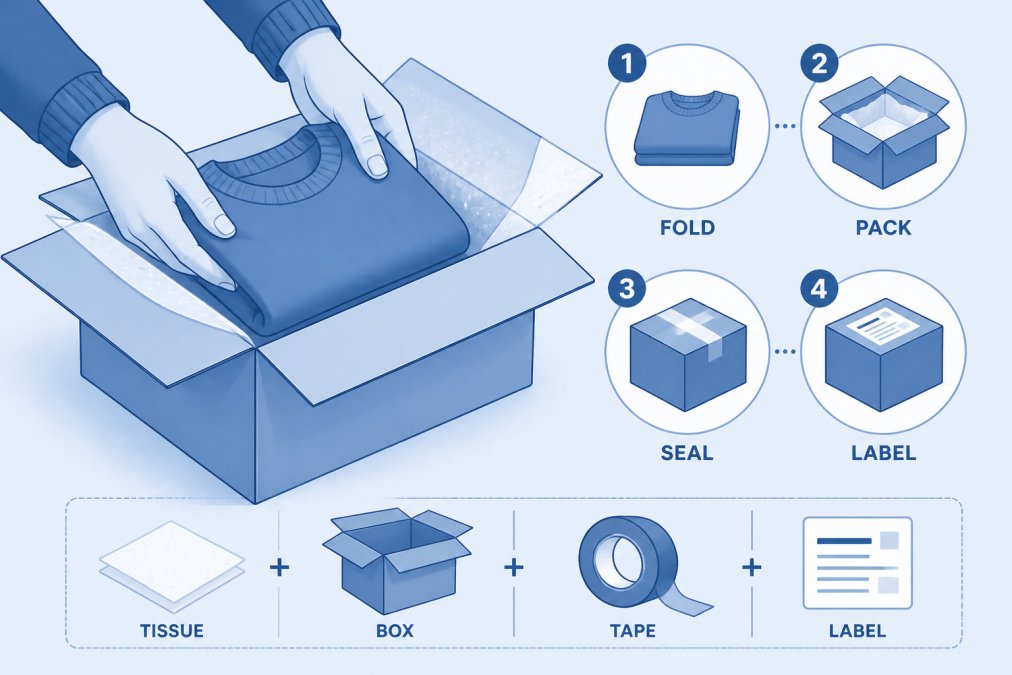
The carrier name should appear on your label (UPS, FedEx, or USPS). Never assume you can use any carrier; use the one indicated on the label to ensure the boutique receives your return.
Drop-Off Locations and Carrier Options
Once your package is ready, drop it off with the carrier specified on your label. UPS packages go to UPS stores, drop boxes, or customer service centers. FedEx packages go to FedEx locations or drop boxes. USPS packages go to any post office or USPS mailbox. Before dropping off your package, photograph it with the label clearly visible and take a photo of the receipt you receive from the carrier.
Boutique Return Policy Examples and Variations
Different boutiques structure their return policies in distinct ways. Understanding common variations helps you know what to expect.
Common Return Windows and Final Sale Items
Most boutiques offer a 14-30 day return window from the purchase date. Some count from the order date, while others count from the delivery date, check your policy to be sure. Final sale items are non-returnable merchandise, typically including clearance or heavily discounted items, limited edition pieces, and custom orders. Boutiques mark final sale items clearly at purchase, usually with a red banner or explicit text.
Restocking Fees and Store Credit Options
Restocking fees are charges the boutique deducts from your refund for processing the return, typically ranging from 10-20% of the purchase price. Some boutiques waive restocking fees for defective items or returns initiated within a short window. Store credit is an alternative to refunds that often waives the restocking fee or extends your return window. Store credit typically equals the full purchase price but expires after a set period (usually 6-12 months).
Handling Damaged or Defective Items
If your item arrived damaged or defective, the return process changes. Defective items are typically returnable beyond the standard return window, and restocking fees are usually waived.
Documenting Damage with Photos and Proof
The moment you discover damage or a defect, photograph it immediately from different angles in bright natural light. Document the context too, photograph the item as it arrived in your package, showing the packaging and any damage to the box. Write down a detailed description of the defect and gather your proof of purchase with the order number and purchase date ready.
Expedited Returns for Defective Merchandise
When you report a defect, most boutiques expedite the return process. Instead of waiting for your return authorization, they may immediately issue a refund or send a replacement without requiring the damaged item back first. Contact customer service as soon as possible after discovering the defect. Include your photos and a clear description. Responsive boutiques typically reply within 24 hours and offer a resolution: refund, replacement, or store credit.
Troubleshooting Denied Returns and Sustainable Alternatives
Sometimes returns are denied. The boutique may claim the item shows signs of wear or falls outside the return window. Knowing why returns get denied and how to appeal increases your chances of resolution.
Why Returns Get Denied and How to Appeal
Returns are most commonly denied because the item shows signs of wear (stain, odor, pilling, stretched fabric), tags are missing, the return window has expired, or the item is marked final sale. To appeal a denied return, respond professionally to the boutique's denial email. Acknowledge their concern, provide additional evidence (photos, order confirmation, tracking info), and make a reasonable request. Some boutiques have a manager or appeals process, ask politely if a manager can review your case.
International Returns and Eco-Friendly Options
International returns are more complex and expensive. If you ordered from a boutique in another country, return shipping costs are high, and customs duties may apply. For eco-conscious shoppers, consider sustainable alternatives: request store credit instead of a refund (eliminating return shipping), donate the item locally if unworn, sell the item on a resale platform like Poshmark or Depop, or exchange for a different size or color instead of processing a return.
Tracking Your Refund and Return Status
Once your return is shipped, tracking doesn't end. You need to confirm the boutique received it, verify the item's condition, and monitor when your refund is issued.
Using Your Tracking Number
Your return shipping label includes a tracking number. Use this number on the carrier's website (USPS.com, UPS.com, or FedEx.com) to monitor your package's progress. Tracking shows when the package is picked up, in transit, and delivered. Once the package shows "delivered" at the boutique's address, inspection typically takes 3-7 business days.
Refund Processing Times and Methods
Boutique refund processing times vary widely. Most boutiques process refunds within 5-10 business days of receiving your return, but some take up to 30 days. Your return authorization email should specify the expected timeframe. Refunds are typically issued to your original payment method. If you paid by credit card, the refund appears as a credit on your statement. If you paid by debit card or bank transfer, the refund posts to your account.
If your refund doesn't appear within the stated timeframe, contact the boutique. Provide your order number and tracking number. Most delays are simple processing backlogs that a polite follow-up resolves.
Returning online boutique clothing doesn't have to be stressful when you understand the process and the boutique's specific requirements. By reading the return policy upfront, documenting your item's condition, and following the boutique's procedures exactly, you protect yourself and ensure smooth refunds. The next time you shop with a boutique, you'll know exactly how to handle a return if needed.
Frequently Asked Questions
What is the typical return window for online boutique clothing?
Return windows vary significantly among online boutiques, but most commonly range from 14 to 30 days from the order date. Some boutiques offer 60-day return periods for unworn items with tags attached, while others enforce strict 14-day final sale policies on clearance items. Always check the specific boutique's return policy before purchasing, as the return window is typically stated in the order confirmation email or on their website under their return policy section. Missing this deadline often means forfeiting your refund eligibility entirely.
Can I return online boutique clothing without tags attached?
Most online boutiques require tags to be attached for full refunds, but policies vary. Some boutiques will accept returns without tags if the item is unworn and in original condition, though they may deduct a restocking fee (typically 10-20%). Others classify untagged items as final sale and deny returns entirely. Contact customer service immediately if tags are missing, explain the situation with your order number and proof of purchase. Many boutiques will work with you on defective items or manufacturing errors, even without tags.
Do I need a receipt to return online boutique clothing?
You don't always need a physical receipt, but you will need proof of purchase. Your order number from your confirmation email serves as proof and is essential for initiating the return process. If you can't locate your order number, customer service can look up your purchase using your email address, phone number, or credit card details. Keep your order confirmation email throughout the return window, it contains vital information like the return authorization number, shipping label details, and the return deadline postmarked requirement.
What should I do if my return is denied by the boutique?
If your return is denied, first review the boutique's return policy to understand the specific reason, common denials include items outside the return window, final sale items, or condition issues. Contact customer service with your order number and explain your situation respectfully. If the item arrived damaged or defective, provide clear photos as proof. Some boutiques offer return insurance or coverage apps that can help recover your purchase if denied. If the boutique won't budge, check if you paid by credit card, many card issuers allow chargebacks for unauthorized charges or unmet return policies.
This article was written using GrandRanker