
Table of Contents
- What Are Natural Wellness Alternatives?
- Common Natural Approaches and Therapies
- Mind-Body Wellness Techniques for Daily Life
- Nutritional Supplements and Vitamins
- FDA Regulation of Dietary Supplements
- How to Start a Natural Wellness Routine
- Safety and Integration with Conventional Care
- Natural Wellness Alternatives That Work
Last Updated: August 5, 2026
What Are Natural Wellness Alternatives?
Natural wellness alternatives refer to health approaches that complement conventional medicine, including traditional healing practices, botanical remedies, mind-body techniques, and nutritional strategies. Rather than replacing medical care, they integrate with it, offering tools for managing stress, improving sleep, and supporting immune function. According to the National Institutes of Health on complementary health approaches, millions of Americans use complementary health practices annually, reflecting a cultural shift toward preventative care.
At Life Gets Better, we've curated wellness accessories and self-care essentials designed to support your natural wellness journey. Whether you're exploring meditation, herbal remedies, or relaxation tools, having the right products makes the transition easier.
Common Natural Approaches and Therapies
Acupressure and Acupuncture
Acupressure and acupuncture are therapeutic techniques from traditional Chinese medicine that stimulate specific pressure points on the body. Acupuncture uses thin needles, while acupressure applies manual pressure without penetration. Both aim to balance energy flow and promote healing.
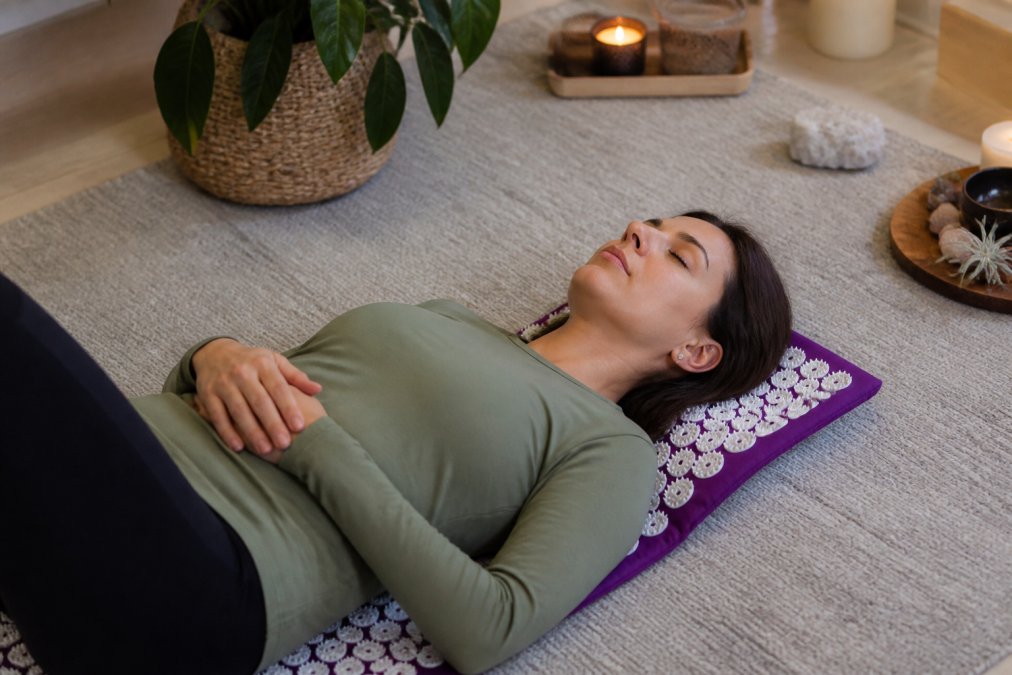
The Bed of Nails Acupressure Mat offers an accessible home option with 8,820 precision spikes designed to stimulate pressure points, release muscle tension, and improve circulation and sleep quality. At $119.95 for the mat and pillow bundle, it's an affordable entry point. Consistency matters more than intensity, using the mat for 10-15 minutes several times weekly produces better results than sporadic longer sessions.
Herbal Medicine and Botanical Remedies
Herbal medicine uses plants and plant extracts to support health. Unlike pharmaceutical drugs that isolate single compounds, herbal remedies contain multiple constituents working together. Quality varies dramatically based on growing conditions, harvest timing, and extraction methods. Herbs grown in depleted soil or harvested incorrectly contain fewer active compounds, making supplier reputation crucial.
Massage Therapy and Manual Techniques
Massage therapy manipulates soft tissues to improve circulation, reduce muscle tension, and promote relaxation. Regular massage can improve flexibility, reduce chronic pain, and activate the parasympathetic nervous system. Finding a qualified massage therapist trained in anatomy ensures treatment tailored to your specific needs rather than a generic approach.
Mind-Body Wellness Techniques for Daily Life
Mind-body practices recognize the connection between mental state and physical health, promoting relaxation and stress reduction through cognitive and physiological engagement.
Meditation and Mindfulness Practices
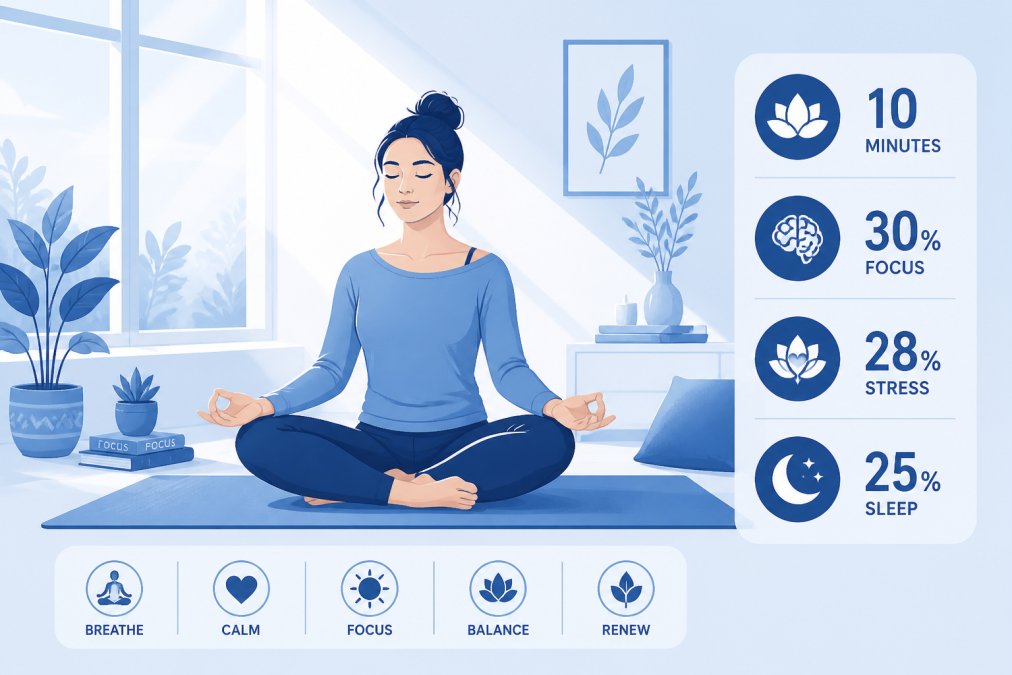
Meditation focuses attention and awareness through guided instruction or self-directed focus. Mindfulness extends this into daily life, bringing present-moment awareness to routine activities. Apps like Calm ($69.99/year) and Headspace ($12.99/month or $69.99/year) make guided meditation accessible. What matters is finding a style that feels natural, some prefer guided meditations with soothing sounds, others prefer silent sitting or walking meditation.
Yoga and Tai Chi
Yoga combines physical postures, breathing techniques, and meditation to address flexibility, strength, balance, and mental clarity. Tai Chi emphasizes slow, flowing movements coordinated with breath and mindfulness. Yoga offers more intensity variety, while Tai Chi emphasizes flowing, meditative movement. Both require consistent practice to develop skill and experience benefits.
Nutritional Supplements and Vitamins
Nutritional supplements fill dietary gaps by providing vitamins, minerals, herbs, and other compounds. A practical approach is starting with a quality multivitamin as a foundation, then adding targeted supplements based on specific needs.
FDA Regulation of Dietary Supplements
Dietary supplements are regulated under the Dietary Supplement Health and Education Act (DSHEA), which classifies them as foods rather than drugs. Manufacturers don't need FDA approval before marketing but are responsible for ensuring safety and accurate labeling. The FDA can take action against unsafe products or false claims, but the burden of proof differs from pharmaceutical regulation.
For consumers, this means being discerning when evaluating supplements. Look for products from manufacturers with strong quality control, third-party testing, and transparent sourcing. The FDA has also established good manufacturing practice (GMP) standards for supplement manufacturers, requiring quality control in production, testing, and storage.
How to Start a Natural Wellness Routine
Starting a natural wellness routine doesn't require overhauling your life overnight. A practical approach involves identifying one or two appealing practices and establishing them as habits.
Step 1: Identify Your Primary Goal
Are you seeking stress relief, better sleep, pain management, or general wellness optimization? Your goal shapes which practices to prioritize.
Step 2: Choose One or Two Accessible Practices
Select practices fitting your lifestyle and preferences. Consistency matters more than intensity, a 10-minute daily meditation beats sporadic hour-long sessions.
Step 3: Establish a Consistent Schedule
Regular practice produces better results than intensive sporadic use.
Step 4: Create Environmental Support
Make chosen practices easy to maintain. Life Gets Better's wellness accessories, including our Women's Plush Hooded Robe at $59.99 and Knee-Length Waffle Robe at $40.99, help create an environment supporting your wellness practice.
Step 5: Add Nutritional Support
Once your primary practice is established, consider adding targeted nutritional support like a quality multivitamin or herbal remedies.
| Practice | Frequency | Duration | Best Time |
|---|---|---|---|
| Meditation | Daily | 5-15 minutes | Morning or evening |
| Yoga/Tai Chi | 3-4x weekly | 20-45 minutes | Early morning or evening |
| Acupressure | 2-3x weekly | 10-20 minutes | Evening before bed |
| Herbal remedies | Daily | As directed | With meals or as specified |
| Massage | Monthly-quarterly | 60 minutes | When needed for tension |
Safety and Integration with Conventional Care
Natural wellness alternatives work best when integrated thoughtfully with conventional medical care rather than replacing it. Discuss your wellness goals with your healthcare provider and ask which natural approaches complement your treatment plan. Some supplements interact with medications, for example, St. John's Wort can reduce antidepressant effectiveness, and high-dose vitamin K can interfere with blood thinners.
Introduce new supplements one at a time so you can identify adverse reactions. If you experience unexpected symptoms, discontinue and discuss with your healthcare provider.
Natural Wellness Alternatives That Work
The most effective natural wellness alternatives share common characteristics: consistency, personalization, and realistic expectations.
Consistency trumps intensity. A person meditating 10 minutes daily for a year experiences more benefit than someone meditating intensively for a week then stopping. Personalization matters significantly, what works brilliantly for one person may feel ineffective for another. Realistic expectations prevent disappointment. Natural wellness alternatives support health and resilience but don't cure diseases or provide instant results.
The integration of multiple approaches often produces better results than any single practice alone. Life Gets Better supports your natural wellness journey with carefully selected products. Our Raw Unrefined Shea Butter for Dry Skin & Hair at $20.99 provides multi-tasking moisturizing, our Floral, Fresh, and Fruity Boxed Flower Sets featuring Spongellé's Body Wash Infused Buffers at $48.00 each enhance daily routines, and our Aloe & Cucumber Serene Gel Cleanser at $40.00 provides gentle cleansing for sensitive skin.
Natural wellness alternatives represent a shift toward taking active responsibility for your health. By combining evidence-based practices with quality products and professional guidance, you create a comprehensive wellness approach tailored to your needs. Life Gets Better makes this journey easier by providing premium wellness accessories and self-care essentials that transform daily routines into meaningful self-care rituals.
Frequently Asked Questions
What are examples of natural wellness alternatives?
Natural wellness alternatives include acupressure, herbal supplements, meditation, yoga, tai chi, massage therapy, and aromatherapy. These approaches support holistic wellness and complement conventional care. Many people combine mind-body practices like meditation with nutritional supplements such as omega-3 fatty acids or vitamin D3 to address specific health goals. The Bed of Nails Acupressure Mat offers an accessible acupressure option, while apps like Calm and Headspace provide guided meditation and mindfulness practices for stress management.
Is natural wellness safe and effective?
Many natural wellness approaches have evidence supporting their benefits when used appropriately. However, effectiveness varies by individual and by approach. The FDA regulates dietary supplements differently than medications, so quality and safety standards differ. Always consult a healthcare provider before starting new supplements or therapies, especially if you take medications. Some natural remedies can interact with prescription drugs. Products from established brands like MaryRuth Organics and Oregon's Wild Harvest that emphasize organic certification and transparent sourcing tend to maintain higher safety standards.
How do I distinguish between natural wellness and medical treatments?
Natural wellness approaches focus on preventative care and lifestyle modification to support overall health, while medical treatments target specific diagnosed conditions. Natural remedies may help with stress management, sleep quality, and general wellness, but serious health conditions require professional medical diagnosis and treatment. Integrative health combines both approaches: using natural wellness techniques alongside conventional medicine when appropriate. If you have a medical condition, work with your healthcare provider to determine whether natural alternatives can safely complement your treatment plan.
What should I know about FDA regulation of dietary supplements?
The FDA regulates dietary supplements under the Dietary Supplement Health and Education Act (DSHEA), which treats them differently than medications. Manufacturers are responsible for ensuring safety and labeling accuracy before products reach consumers, but the FDA does not pre-approve supplements like it does drugs. The FDA can take action against unsafe products after they're on the market. Look for supplements with third-party testing and certification from organizations that verify quality. Brands emphasizing USDA Certified Organic status, like MaryRuth Organics, provide additional assurance of quality standards.
This article was written using GrandRanker