
Table of Contents
- What Defines High Quality Sterling Silver
- The 92.5% Purity Standard Explained
- How to Test Sterling Silver at Home
- Sterling Silver vs Silver Plated: Key Differences
- Identifying Authentic Sterling Silver Through Hallmarks
- Sterling Silver Jewelry Care and Maintenance
- Why Quality Sterling Silver Matters for Your Collection
Last Updated: August 11, 2026
What Defines High Quality Sterling Silver
High quality sterling silver is characterized by precise composition, durability, and authentic hallmarks that guarantee genuine precious metal. Sterling silver isn't pure silver, pure silver is too soft for everyday jewelry, bending and scratching easily. Silversmiths alloy pure silver with other metals, typically copper, to create durable pieces. What separates high quality sterling silver from inferior alternatives is consistency, craftsmanship, and transparency. High quality pieces show attention to detail in smooth joints, consistent finish, and proper hallmarking.
The 92.5% Purity Standard Explained
Sterling silver is defined by 92.5% pure silver combined with 7.5% alloy metals, typically copper. This ratio represents the internationally recognized standard for jewelry-grade silver, balancing durability with precious metal content. At this composition, silver retains enough character to hold value and resist corrosion, while copper adds hardness necessary for jewelry that won't deform during wear. When you see a "925" hallmark, that number directly refers to this purity ratio, 925 parts per 1,000 are pure silver.
This standard exists because 999 silver (fine silver) is too soft for most jewelry applications. A bracelet made from 999 silver would stretch and warp. The copper in sterling silver improves malleability, allowing artisans to create intricate designs and detailed gemstone settings. It also enhances the metal's ability to take and hold a polish, creating that distinctive bright, reflective finish.
Not all 925 silver is created equal. High quality sterling silver uses pure copper as the alloying metal. Lower-grade sterling may contain nickel or other base metals that can cause skin sensitivity. When shopping, particularly if you have sensitive skin, look for nickel-free sterling silver specifications.
How to Test Sterling Silver at Home
Testing sterling silver at home allows you to verify authenticity before purchase or assess pieces you already own.
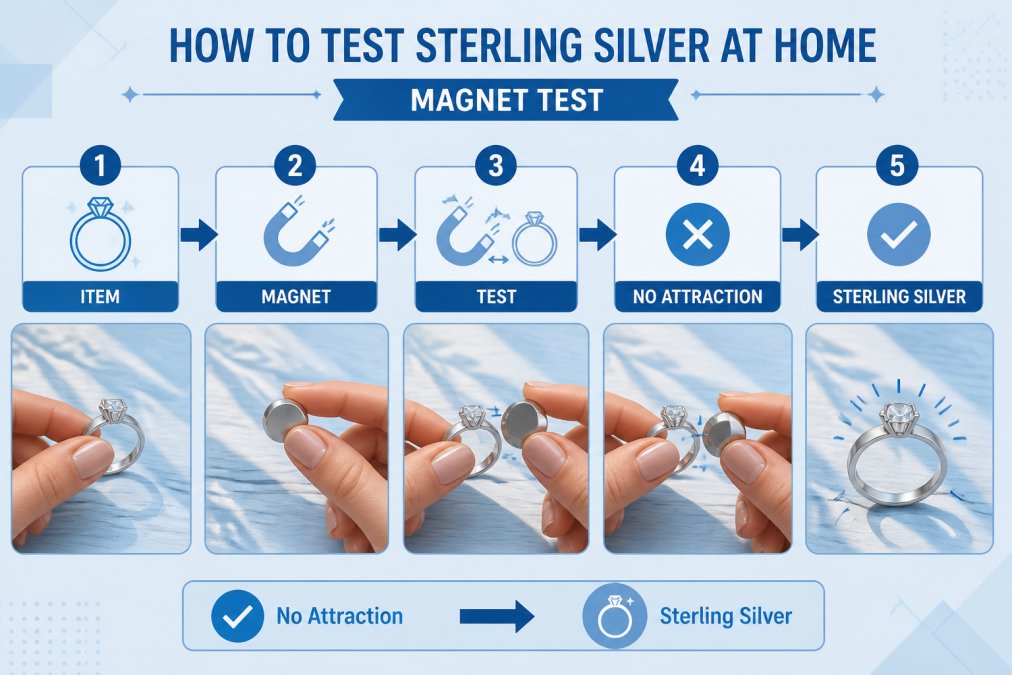
The Magnet Test is the quickest screening. Sterling silver is not magnetic. If a strong neodymium magnet attracts the piece, it contains ferrous metals and isn't genuine sterling silver.
The Visual Hallmark Inspection requires close examination. Look for "925," "sterling," or "ster" stamped on the piece, typically on clasps, inside rings, or on the back of brooches. High quality sterling silver has clear, well-defined stamps. Blurry or poorly executed hallmarks suggest counterfeits.
The Weight and Feel Test provides useful information. Sterling silver has significant heft and feels cool to the touch, warming quickly in your hand, characteristics distinct from base metals or plating.
The Acid Test is highly accurate. Professional jewelers use acid testing kits available online. A small scratch is made on an inconspicuous area, and acid is applied. Sterling silver reacts distinctly from plated or counterfeit pieces. This test is destructive, so reserve it for items you own and want to verify definitively.
The Tarnish Test works because sterling silver oxidizes naturally over time, developing a dark patina. If a piece has never tarnished despite years of wear, it's likely not genuine sterling silver.
Sterling Silver vs Silver Plated: Key Differences
Silver plated items have a thin layer of sterling silver bonded to a base metal core, typically brass, copper, or nickel. The plating thickness varies, but most consumer silver plating is between 0.5 and 2.5 microns thick. With regular wear and cleaning, the plating wears away within 2-5 years for items worn daily, exposing the base metal underneath.
Sterling silver is solid precious metal throughout, 92.5% pure silver with no base metal hiding underneath. When you wear sterling silver jewelry, you're wearing the same composition today as you will in 20 years. The piece can be polished, cleaned, and restored indefinitely.
Silver plated pieces are significantly cheaper upfront, typically 60-80% less expensive than comparable sterling silver. However, when factoring in replacement costs, sterling silver becomes more economical over time. A sterling silver ring bought today can be passed to your daughter, polished, and worn for another lifetime.
The visual difference becomes apparent over time. Silver plated items develop a worn, patchy appearance as plating flakes or wears through. Sterling silver develops a consistent patina that can be polished away. For sensitive skin, sterling silver offers another advantage, as plating wears, you're exposed to base metals. Solid sterling silver, particularly nickel-free sterling, remains safe to wear indefinitely.
Identifying Authentic Sterling Silver Through Hallmarks
Hallmarks are the jeweler's signature and guarantee of authenticity. A hallmark is an official stamp indicating silver's purity percentage. In the United States, "925" is the standard hallmark for sterling silver. You'll also see "STERLING," "STER," or "92.5," all indicating the same purity standard. These marks are typically found on jewelry clasps, inside rings, on the back of brooches, or on pendant backs.
Authentic pieces often carry a maker's mark, a symbol or initials identifying the craftsperson or manufacturer. High quality sterling silver pieces from reputable makers have clear, precise maker's marks. The location and clarity of hallmarks matter, legitimate hallmarks are stamped clearly and precisely into the metal, with impressions deep enough to remain visible after years of wear and polishing.
Some sterling silver pieces carry additional marks indicating special characteristics. A "925 N" or "925 NF" mark indicates nickel-free sterling silver. Counterfeiters sometimes attempt to copy hallmarks, but close inspection reveals forgery. Authentic hallmarks have uniform depth and consistent spacing. Fake marks often appear uneven, too shallow, or poorly aligned.
Sterling Silver Jewelry Care and Maintenance
Proper care extends the life of your sterling silver jewelry significantly and keeps pieces looking beautiful for decades.
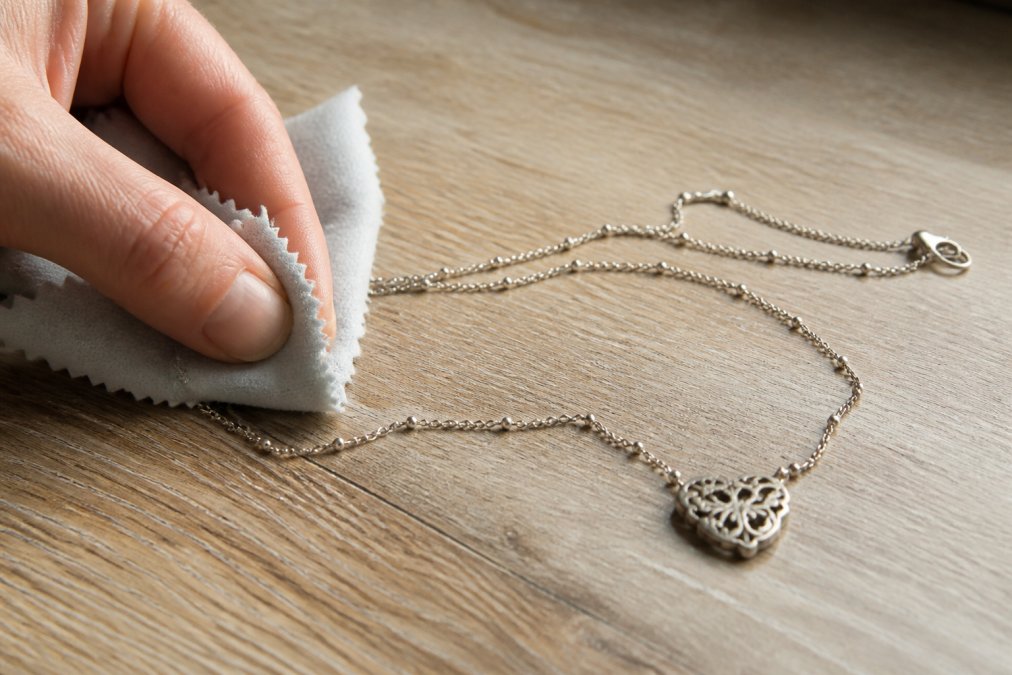
Tarnish Prevention is the primary maintenance concern. Sterling silver tarnishes because copper in the alloy oxidizes when exposed to air and moisture. To prevent rapid tarnishing, store sterling silver in a cool, dry place in airtight containers or ziplock bags. Anti-tarnish strips placed in storage containers absorb sulfur compounds that cause tarnishing.
Regular Polishing restores tarnished silver to its original brightness. Use a soft microfiber polishing cloth specifically designed for silver. These cloths contain mild abrasives that remove tarnish without damaging the metal. For heavily tarnished pieces, a silver polishing cream or dip solution works quickly.
Gentle Cleaning keeps sterling silver hygienic and bright. Warm soapy water and a soft brush work well for most pieces. Avoid harsh chemicals and abrasive scrubbers. For delicate pieces or those with gemstones, use a soft cloth dampened with water and mild dish soap, then pat dry immediately.
Avoiding Damage requires awareness of what sterling silver shouldn't contact. Remove jewelry before swimming, chlorine and saltwater accelerate tarnishing. Take off rings and bracelets before showering or doing dishes. Avoid exposing sterling silver to harsh chemicals, perfumes, and lotions.
Professional Restoration is an option for valuable or heavily damaged pieces. Jewelers have specialized equipment that restores even badly tarnished silver, worthwhile for heirloom pieces or significant jewelry investments.
Why Quality Sterling Silver Matters for Your Collection
Investing in high quality sterling silver pieces creates a collection with lasting value, both monetary and personal. High quality sterling silver retains intrinsic value because it contains precious metal. The silver itself can be melted down and sold at market rates, meaning even if you tire of a particular design, the piece retains material value.
The durability of quality sterling silver means pieces can be worn daily without deterioration. Quality sterling silver allows for emotional connections to jewelry. Pieces you love can be worn frequently, passed to family members, and become part of your personal history. A silver plated item that wears out breaks that connection. Sterling silver pieces strengthen it.
From a sustainability perspective, sterling silver is remeltable and recyclable indefinitely without degradation. Unlike plated items that end up in landfills when plating wears through, sterling silver can be recycled, refashioned, or restored. Choosing quality sterling silver supports more sustainable consumption patterns.
The versatility of sterling silver makes it a practical precious metal choice. It complements virtually every skin tone, works with any metal tones in other jewelry, and transitions seamlessly from casual to formal settings.
When selecting sterling silver jewelry, prioritize pieces marked with clear 925 hallmarks from reputable makers. Look for solid sterling silver rather than plated alternatives, and choose pieces with craftsmanship evident in their details. At Life Gets Better, we curate a selection of high quality sterling silver jewelry designed to be worn and treasured. Our pieces combine beautiful design with authentic precious metal composition, backed by free shipping and our commitment to quality. Start building a sterling silver collection that will serve you beautifully for decades to come.
Frequently Asked Questions
How can you test for authentic sterling silver at home?
Several simple tests verify authentic sterling silver. The magnet test: genuine sterling silver is non-magnetic, so it won't stick to a strong magnet. The acid test uses a small drop of nitric acid on an inconspicuous area, real sterling silver turns a milky color. The ice test involves placing ice on the silver; sterling silver conducts heat so quickly the ice melts rapidly. The sound test: drop the piece on a hard surface; authentic sterling silver produces a clear, bell-like ring. Always look for the 925 hallmark stamp, which certifies the piece meets the purity standard for high quality sterling silver.
What's the difference between sterling silver and silver-plated jewelry?
Sterling silver is a solid precious metal alloy containing 92.5% pure silver mixed with other metals for durability, while silver-plated items have only a thin layer of silver coating over a base metal. Sterling silver vs silver plated comes down to longevity: sterling silver jewelry lasts for decades or longer with proper care, while plating wears away with regular use, exposing the base metal underneath. Sterling silver maintains its value and can be remolded or repurposed, whereas plated pieces cannot. High quality sterling silver pieces like our Sterling Silver Elongated Cushion Cocktail Ring ($179) retain their beauty and integrity over time.
Does high quality sterling silver tarnish?
Yes, sterling silver naturally tarnishes over time due to oxidation when exposed to air and moisture. This is not a sign of poor quality, it's a characteristic of genuine sterling silver. The tarnish appears as a dark gray or black patina on the surface. However, high quality sterling silver is tarnish-resistant compared to pure silver because the alloy metals provide better durability. Regular sterling silver jewelry care, including gentle polishing with a soft cloth and proper storage in airtight containers, prevents excessive tarnishing. Most tarnish can be easily removed with appropriate polishing methods, restoring the piece to its original shine.
Is sterling silver considered cheap jewelry?
Sterling silver is not cheap, it's a precious metal that offers genuine value. While more affordable than gold or platinum, high quality sterling silver jewelry provides durability, timeless style, and lasting investment. The 925 hallmark ensures you're buying a precious metal alloy with real silver content, not costume jewelry. Pieces like our Big Papa Graduated Pearl Choker ($129) demonstrate that sterling silver jewelry can be both accessible and genuinely premium. The affordability compared to other precious metals makes sterling silver an excellent choice for building a quality jewelry collection without luxury-level pricing.
This article was written using GrandRanker